Keep Your Accounts Safe with These Password & Security Tips
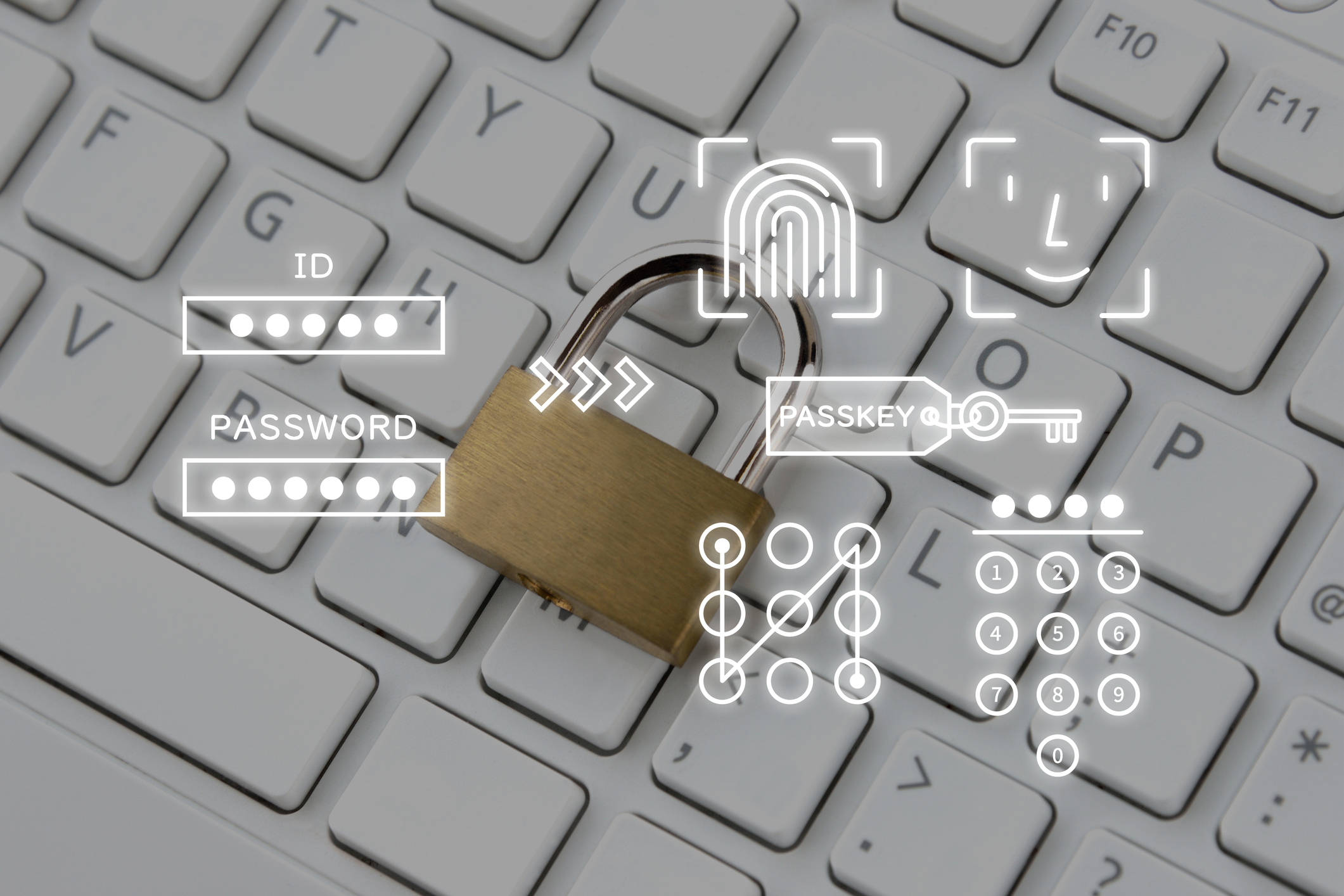
Strong password habits can help protect your personal information and financial accounts from cybercriminals. Together, we will cover when to update passwords, how to create long and unique passphrases, why each account should have a different password, and how a trusted password manager can make secure logins easier.
This cybersecurity month, we’re giving you the power to protect your money and information by creating better password habits. Knowing when to change your passwords, how to create strong ones, and where to store them is critical to your privacy and security. Maspeth Federal Savings is here to help you learn some password best practices for increased cybersecurity.
Why Is It Important To Update Your Passwords Regularly?
Changing your passwords every 30 – 90 days helps reduce the risk that a cybercriminal can guess or find your password. When you keep the same password for a long time, you allow hackers more guesses and more time to use advanced technologies to steal it. Changing your password regularly helps secure your accounts and keep criminals out.
How to Create a Strong Password.
The first step in keeping your money and information safe is creating strong passwords across your accounts. Strong passwords are long, ideally over 16 characters. One strategy for creating long passwords is to use a string of random numbers, letters, and symbols, though this can look overwhelming and be hard to type. Another way to create a strong, easier-to-type password is to use a phrase of 4-7 unrelated words such as “GrowChairDogCave”, the words don’t relate and there is no distinguishable pattern that a hacker could decode. For increased security, you can add numbers and symbols to the end; just be sure to avoid common patterns like “1234”.
People often make the mistake of using obvious personal information like their birth date, pet names, or family name as part of their password. This information is easy for the public to access and makes your password weak. Remember, if you and your friends can find this public information, so can cybercriminals. Strong passwords are unique, long, random, and free from common identifying information.
Use A Different Password For Every Account.
We’ve all been there: every streaming service, bank account, email, and even the apps your doctors use require passwords, so you use the same password for all of them. Easy? Yes. Secure? Absolutely not. When you use the same password across your accounts, one successful hack leads to dozens of hacks, and suddenly all your information has been stolen. This is why using a unique password for each account is so important.
With so many passwords, it can become difficult to remember them all. That is why we recommend using a password manager. A password manager can generate, store, and sometimes even fill in your passwords, making every login simple and secure. The only password you have to remember is the one to the password manager itself! You can find a reliable password manager by reading reviews from a trusted source like Consumer Reports.
While these cybersecurity tips should be applied to every platform you use, it is critical that you apply them to your online banking accounts. Your bank account being hacked can lead to fraudulent charges or even theft of your entire balance. Using password best practices will help ensure that the money you worked hard for stays safe from criminals. Remember, if you notice unwanted login attempts or fraudulent transactions on your accounts, call (833) 357-0010 and one of our trusted experts will help you.